How Culture Shapes the Practice: Part 1
Yoga doesn’t exist in a vacuum.
It absorbs the world around it – the sounds, the stories, the cadence of life. The universal becomes personal; the practice, a translation of people and place.
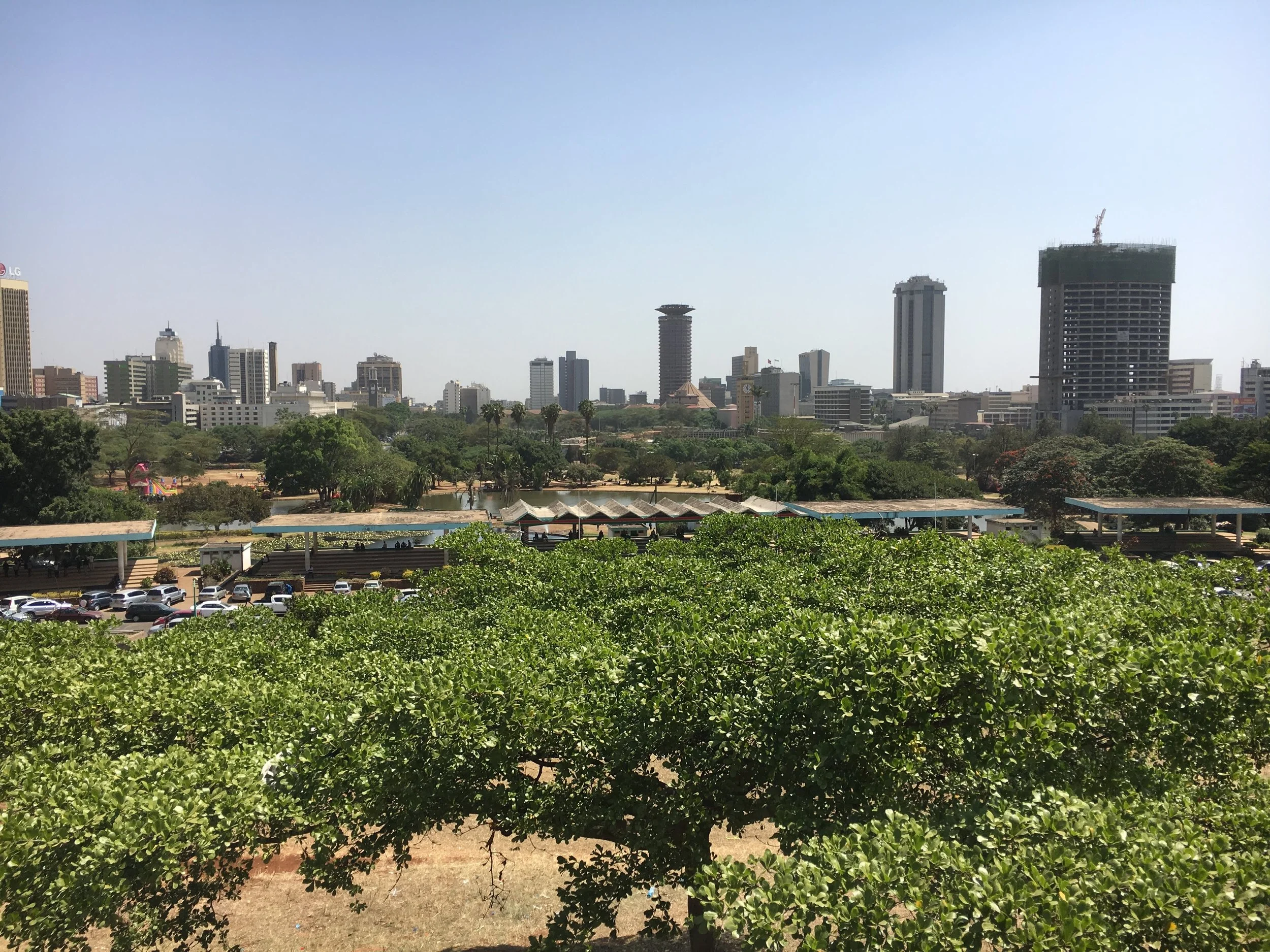
I found yoga in East Africa. When I came back to the States, I was in for a real yogi culture shock. Suddenly, instructors were asking if I consented to a hand on my shoulder, every room felt like Bikram’s fever dream and stillness was something you could only book for $40 through Mindbody.
It wasn’t bad, just yoga with a marketing degree and some HR training.
It took me a bit to loosen my grip on what yoga “should” look like — the way I’d found it in Nairobi — and learn to appreciate its ability to translate.
We all know the U.S. version and we’ll talk Sanskrit, temples, and Buddhist philosophy in another post where I’ll give you the yogi’s run-down of Southeast Asia.
But first, we’re going to Africa, a place some people argue is woven into yoga’s origin story…
If you finished this post thinking, “Got it, I’m basically a yoga historian now,” get ready for a little plot twist.
Yoga began in ancient India… right? Welllll, that might have been the CliffsNotes…
The practice we now package and hashtag as “yoga” traces its earliest roots to India about 5,000 years ago. But here’s where it gets juicy: researchers have uncovered temple wall carvings in Egypt that look very yoga-adjacent… from nearly 10,000 years ago.
Check it out:
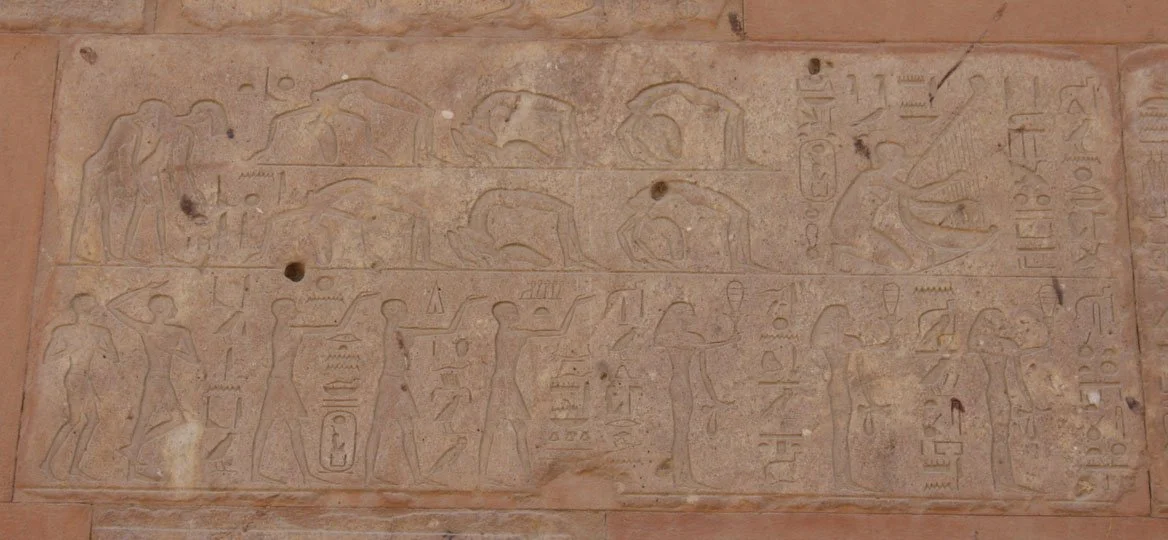
Dancer relief, Luxor Temple — photo by A. Parrot (2017)
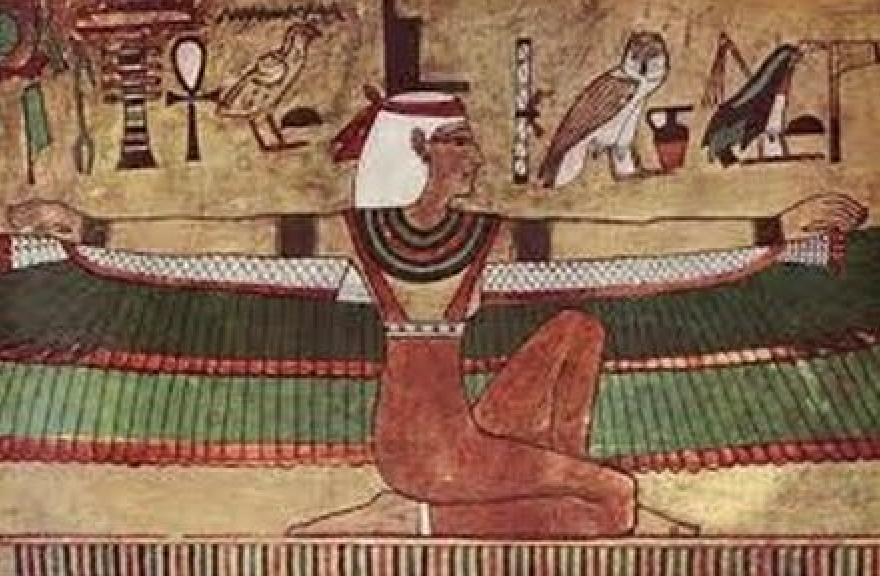
Ancient Egyptian tomb painting of Isis (public domain)
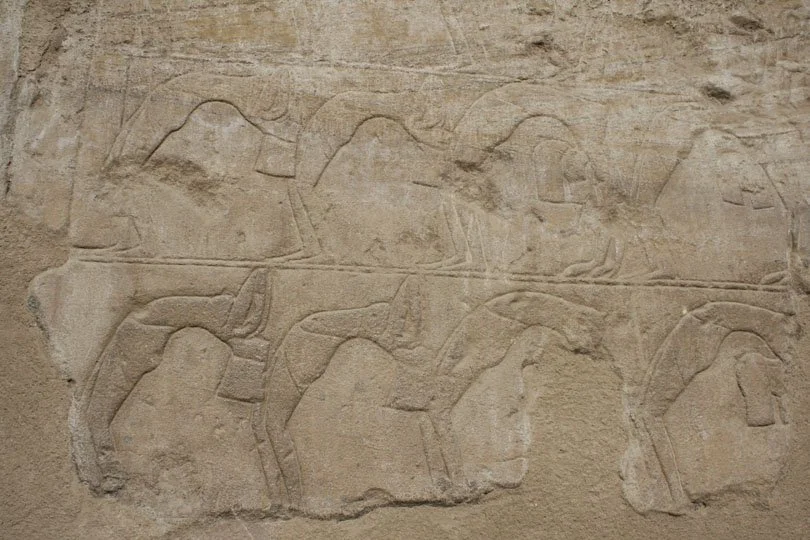
Movement scenes, Hatshepsut Chapel, Karnak — photo by A. Parrot (2017)

Forward-bend relief, Temple of Seti I, Abydos — public domain
This stirred the pot a bit, leaving us with two competing narratives about yoga’s origin story:
Africa did it first
This camp argues that ancient Egypt was doing breathwork and ritual movement way before yoga had a name. Then, over time, people moved, cultures blended and those ideas showed up in India, where the practice actually got written down, refined, and turned into the yoga we recognize today.
Same idea but different continents
This view thinks Egypt probably had its own spiritual movement practices, but they weren’t the same lineage as yoga. More like parallel evolution: similar tools, different traditions, happening at the same time.
My take?
Cultural diffusion is a real thing, but we don’t have enough concrete evidence to confidently back the migration theory. Humans have always ritualized movement, so it a lot more likely that Egypt and India just arrived at similar practices without ever swapping notes.
It’s kind of like how every culture has its own two-step or hip sway. No one person “invented” dance, some movements are just universal instincts that morph into local variations.
Long story short, just because practices across the world look alike doesn’t mean they share the same lineage or belong to the same story.
What we do know from hieroglyphics is that ancient Egyptians were moving their bodies in ways that look a lot like modern yoga. They had their own version going but with centuries of invasions, cultural shifts, lineage breaks, and political instability, it never held on as a continuous tradition, so it didn’t develop as a formal identity the same way it did in India.
Untilllll the 1970s, when African American scholars and practitioners developed Kemetic Yoga.
Not necessarily a revival of an unbroken ancient lineage, but a modern reimagining, Kemetic Yoga is inspired by Egyptian art and philosophy. The goal was to build a yoga system rooted in African identity, with a focus on breathwork, self-development, and mind-body awareness. It became a way to reclaim wellness practices through an Afrocentric lens, grounding movement in history, symbolism, and cultural pride.
Fast forward a bit to another outside influence often credited with reimagining yoga on the African continent: Paige Elenson.
Back in 2005, Paige was a young American on vacation in Kenya when she stumbled upon Maasai Kenyans casually doing acrobatics and handstands in the bush. Being a yogi, she jumped in without hesitation, kept the connection alive, and then returned in 2007 to build a yoga-based nonprofit focused on economic empowerment.
Paige was smart and figured out how to blend her friends’ natural pull toward movement with what the world already calls “yoga,” while tackling Kenya’s huge youth-unemployment problem. Enter Africa Yoga Project (AYP), a nonprofit that trains young Kenyans as yoga teachers, pays them to teach in their own communities, and uses yoga as a gateway to economic stability and leadership. What started as a small experiment in Nairobi has now spread across the continent, with AYP-trained teachers running classes, studios, and community programs all over Africa.
Quick reality check:
Is it giving a touch of white savior? Kind of… A white woman bringing “yoga” to a continent that probably had its own version of mind-body practice for centuries? The optics are… layered. Even done thoughtfully, the dynamic is still there. But she also created real opportunities for African teachers to reclaim, reshape, and lead the practice, so it’s a bit multifaceted. I’m not on the Judgement Day team out here…
All I know is that Paige taught the very first teacher trainings at AYP, and since then the AYP scholars have taken the lead themselves. So even if she arrived with a U.S.-style, Indian-tradition–inspired practice, they reclaimed it and shaped it into something entirely their own. Which explains why AYP yoga felt nothing like the yoga I’d practiced back home.
Here are the differences that stood out to me, and the ways African culture and history filtered into the practice in such meaningful ways:
Less Sacred, More Human
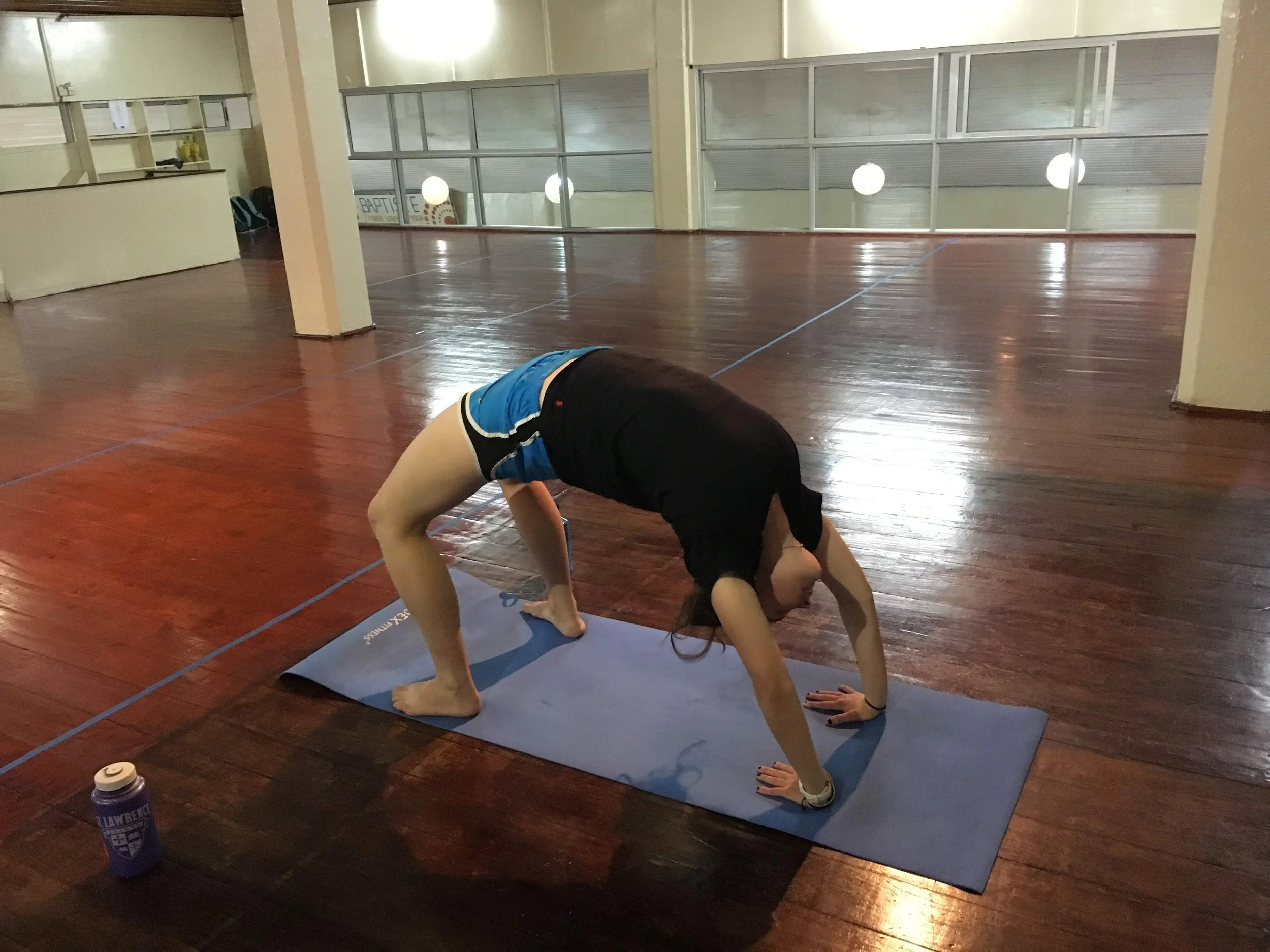
I was taught in yoga school that telling jokes or personal stories pulls people out of their bodies. And sure, sometimes it does. But a well-timed joke can also build community and remind us it’s not all that serious. In Kenya, I found a universal value for authenticity, lightness, and humor. Kenyans tease each other affectionately, not necessarily to distract, but to say, “we’re good, relax.” In class, it wasn’t uncommon for teachers to crack a joke or tease someone across the room. I vividly remember falling out of wheel pose and a teacher publicly commending me for my “wheel to pancake” transition. It made the practice feel less individual and far more collective.
Community at the Center
Speaking of collective, Kenyan’s are all about community. Harambee, meaning “pulling together,” is core to Kenyan culture. In the U.S., yoga teachers love a good self-help monologue about becoming your “highest self” or whatever. At AYP, any philosophical moment was almost always rooted in collective well-being. It wasn’t “What can yoga do for me?” It was “What can yoga do for us?”
Radical Hospitality
At most studios in NYC, you’ll pay $5 for a mat, $3 for a mat towel, another $3 for a shower towel, and if you forget your water bottle, enjoy your $7 “artisanal hydration.” After class, they hand you one polite sip of tea and you sit alone in the lobby, soaking up your shavasana in the corner like a Victorian ghost. At AYP, one time I forgot my mat and the instructor literally handed me his and did the whole class on the wood floor. After class, everyone is vibing, sipping full cups of chai and enjoying a sweet treat together. Completely different universe.
Built on Rhythm
From Maasai jumping to Luhya drumming to Swahili dance, Kenya treats rhythm like a language everyone speaks. And in yoga classes, that energy hums under everything. Instead of freezing into shapes, people move with a natural cadence. It’s hard to explain in words, but you can feel this instinctual rhythm at the very core of the practice in a way that you just don’t get in U.S. yoga.
When Hands-On Actually Means Hands-On
My first encounter with those “hands-on assist” cards in a U.S. studio felt bizarre. Here, an assist is basically a polite tap on the arm and a whispered “beautiful.” Very “please don’t sue me” energy. But in Kenya, my teachers would literally lift me into shapes like full-body architecture support. Kenyans aren’t afraid of physical proximity, so assists are confident, intentional, and honestly incredibly effective. In Kenya, touch carries trust. In New York, touch carries paperwork. I get the hesitancy, but sometimes an extra set of hands can really deepen the practice.
If Kenya taught me anything, it’s that yoga isn’t one thing, it’s whatever a culture pours into it. In East Africa, that meant trust, rhythm, humor, chai, and a lot fewer warning labels.
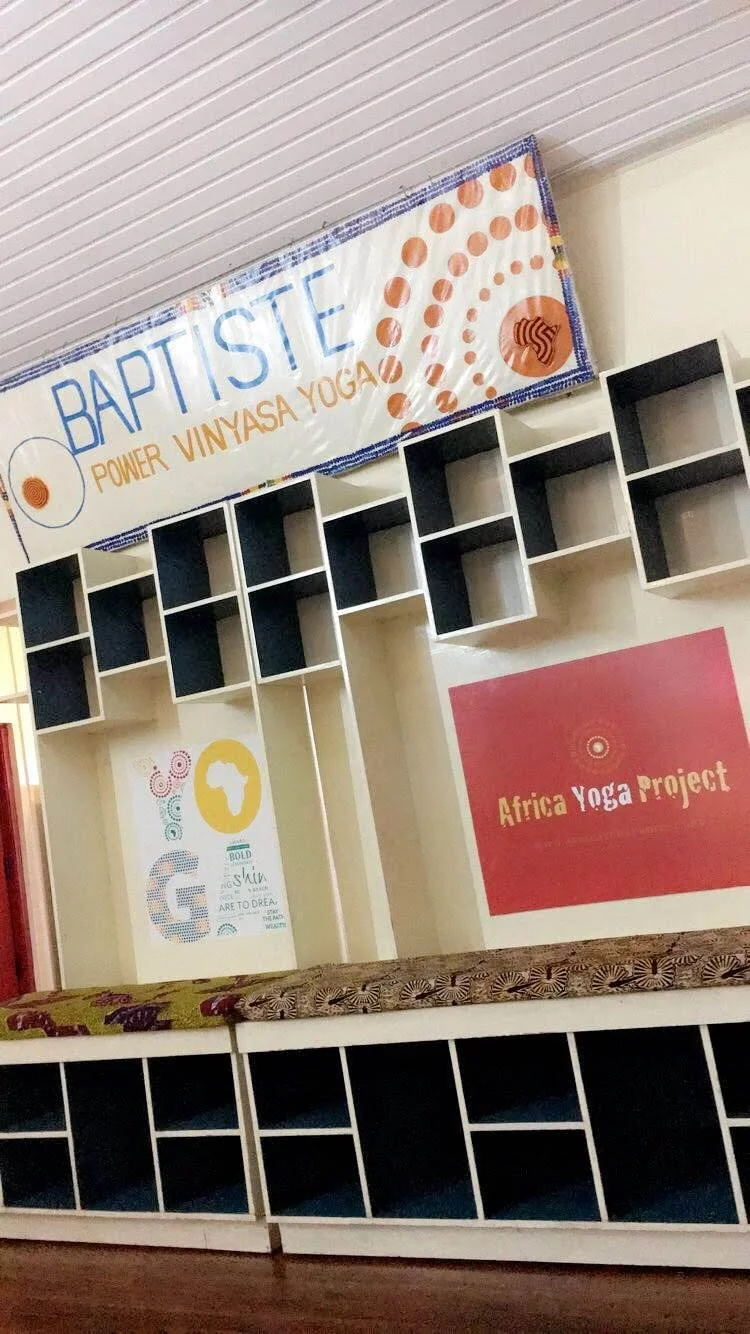
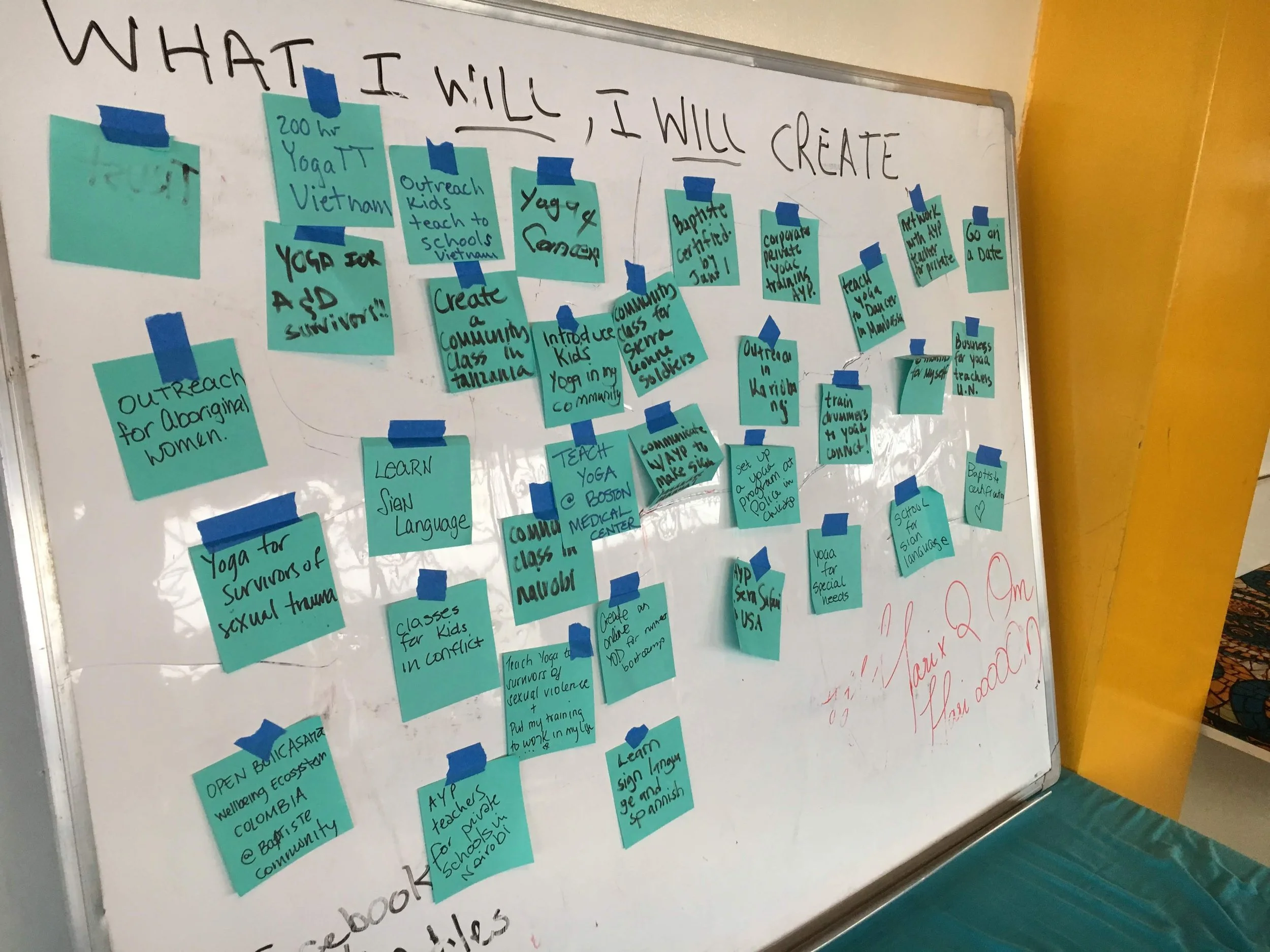
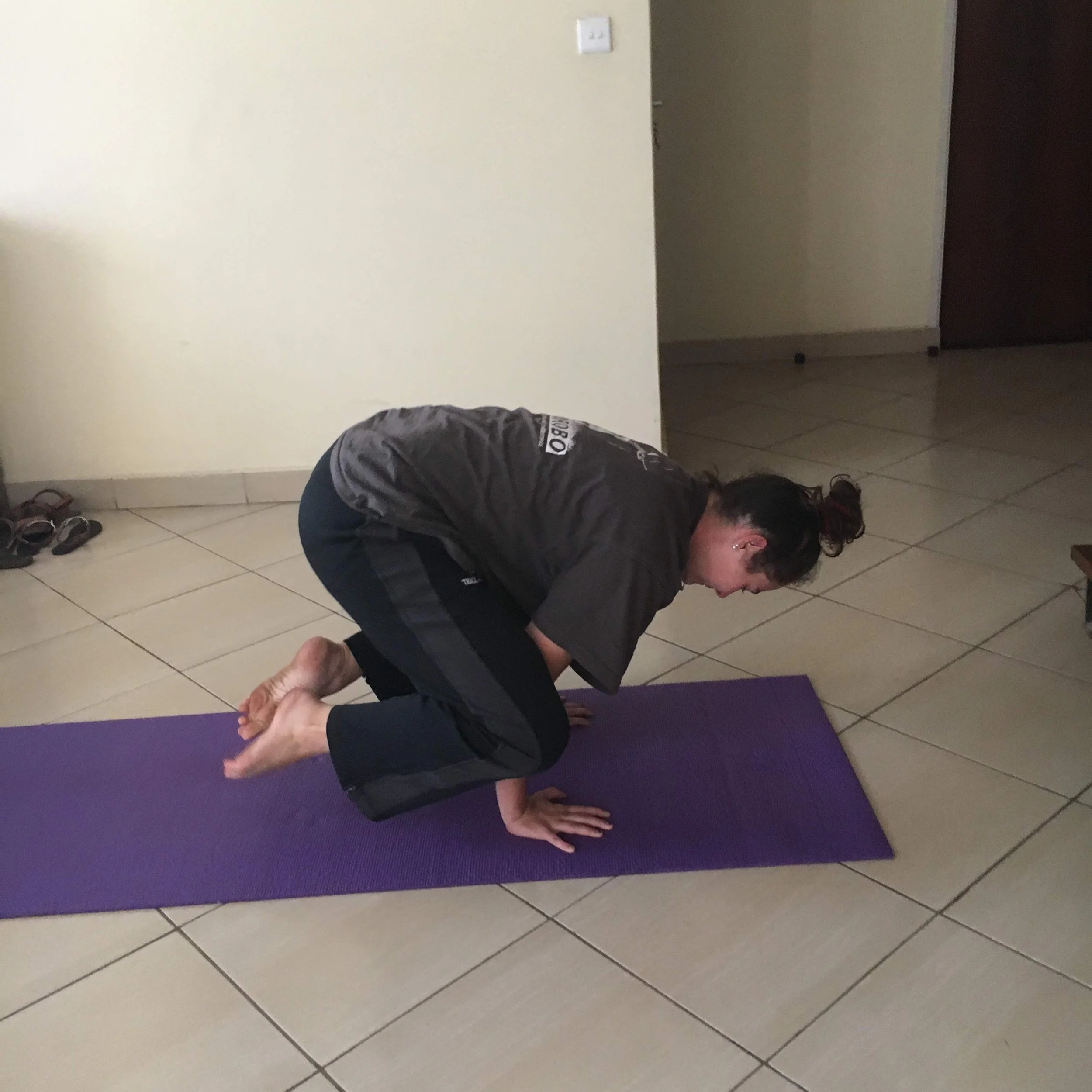
For my “I need to see it” people, a few snapshots from my time at AYP: