The Post-Workout Personality Phenomenon
Nothing says “wellness” quite like getting screamed at by a stranger in spandex.
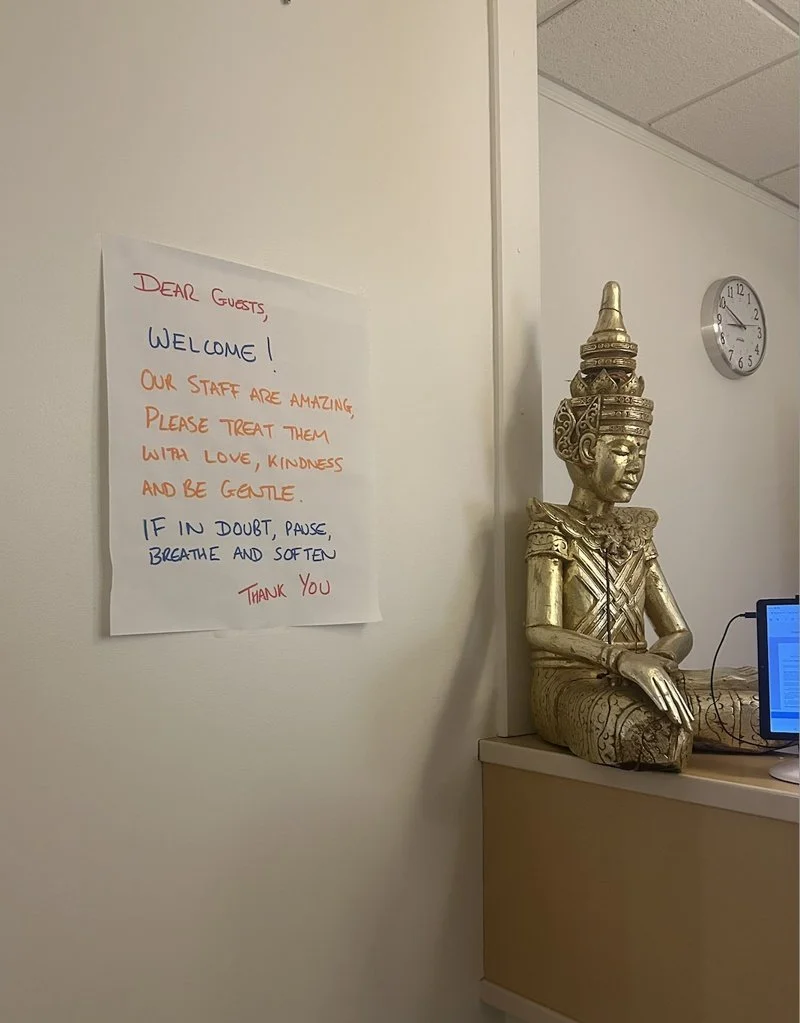
Saturday mornings at SoulCycle are their own brand of chaos. Picture me, behind the front desk, juggling waitlisted check-ins, towel shortages, and the small miracle of securing a last-minute instructor sub when emotional turbulence checks in for the 9am.
Cue meltdown: I ruined her day, her weekend, and her faith in humanity. But sure, I’ll make sure to tell her favorite instructor she loves him and hopes he feels better. He has no idea who you are, girl, but who am I to pop your parasocial relationship bubble.
Ten apologies, one comped class, and six “I totally get it”s later, it was clear that my charm, alone, was not getting me out of this one.
If there’s anything I’ve learned from working in group fitness, it’s this: get the angry customer in the workout room!!! Let them blow out the cult-y candle, have the instructor compliment their energy, and suddenly they’re sobbing under blue lights to a remix of Coldplay.
Luckily, my best friend Elanna teaches a great class because 45 minutes later, Mrs. You-Ruined-My-Whole-Entire-Life was apologizing and telling me she loved my top. My uniform top.
Rage to release. A tale as old as time.
What looks like a total vibe shift is actually just chemistry doing its thing. Enter: endorphins, the brain’s built-in attitude adjusters.
Chemistry of the Come-Down
The word endorphin literally means endogenous morphine, your body’s built-in painkiller. These hormones are released by your brain and nervous system to ease pain, lift mood, and help you stay steady when life (or spin class) gets intense.
When your body senses stress or pain, your brain sends in endorphins to block the nerve cells that receive those pain signals. Basically, they’re your brains way of turning down the volume on discomfort.
Our bodies produce more than 20 types of these feel-good chemicals, but the MVPs are beta-endorphins, the ones behind that runner’s high (or the post-workout “I could forgive anyone” energy). They act as both messengers and mood-shifters, flowing through your bloodstream to restore balance.
Wait, isn’t that, like… dopamine’s job?
Endorphins, dopamine, and their other pal, serotonin, all play on the same “feel-good” team, they just have different roles.
Endorphins are your first responders. They rush in when things get painful or stressful, turning down discomfort and giving you that “I actually might survive this” feeling. They’re quick, dramatic, and short-lived, like the emotional support friend who shows up with wine right after a breakup.
Dopamine is the motivator. It arrives later, once the effort’s over, to reward you for doing the thing (& trick your brain into doing it again tomorrow). You can think of dopamine as the after-party to endorphins’ main event.
And then there’s steady serotonin. While dopamine spikes when something exciting happens, serotonin works behind the scenes to regulate mood, sleep, appetite, digestion and even memory. Instead of giving you a rush, it keeps your emotional baseline balanced.
Best part? We’re all working together here. When endorphins bind to opiate receptors, they nudge dopamine and serotonin into action, creating that euphoric post-movement high where everything suddenly feels lighter, funnier, fixable.
The Endorphin Effect
Endorphins are your body’s behind-the-scenes support team — part therapist, part hype-squad, part healer — working overtime to keep you calm, clear, and a little more human. When they’re flowing, everything from your mood to your immune system gets a boost.
Endorphins help to:
· Relieve pain and stress by blocking pain signals and calming your nervous system
· Boost mood and create feelings of pleasure and satisfaction
· Ease symptoms of anxiety and depression by lowering stress hormones
· Raise confidence and improve self-esteem through that post-movement “I’ve got this” energy
· Decrease inflammation and support overall recovery
· Regulate appetite and stabilize energy levels
· Support brain health, improving focus, memory, and cognitive function
Proof the Science Checks Out
You know we love tangibles here.
Research shows that you don’t need to go full marathon or Soul Survivor mode to feel the effects of endorphins. The experts say that even as little as ten minutes of moderate exercise (think quick slow yoga flow!) can lift your mood. Go a little longer — say, 45 minutes three times a week — and the benefits multiply. In a study of over 1.2 million adults, people who moved regularly were less likely to experience depression and anxiety. Even better? For those living with chronic conditions, consistent exercise can literally cut hospitalization risk in half.
Don’t listen to me, listen to the people with clipboards and control groups: your mood makeover doesn’t need hours in the studio. Even small, consistent movement will trigger real chemical shifts in your brain.
The Many Roads to a Natural High
Not an exercise girlie and wondering how you even ended up on this page? Good news! There are plenty of ways to get those endorphins flowing without setting foot in a gym. Endorphins don’t just show up for pain; they’re also released when you laugh, eat something you love, or do anything that feels really good. It’s biology’s way of rewarding joy, nudging you toward what helps you survive and what makes you feel alive.
If you’re in need of a rest day, try these instead:
Laugh a Little!
Laughter sets off a chemical chain reaction, causing a flood of endorphins, dopamine, and serotonin and kicking stress hormones like cortisol to the curb. It can even help you sleep better, ease anxiety, and lift your overall mood. Basically, giggle more, stress less.
Meditate (Or Just Breathe on Purpose)
If you read this post, you know alllll about this one. Meditation isn’t just for the calm and collected, it’s also for the rest of us trying to get there. Even a few minutes of stillness helps regulate your nervous system and increase endorphin release. Pair it with mindful movement like a 10-minute walk, slow flow, or quick breathing moment and your brain will thank you later.
Turn up the Tunes
Music doesn’t just set the mood, it literally moves your chemistry. Studies show that your favorite playlist can help you push through workouts longer, lower your pain perception, and cue your brain to release endorphins. So whether it’s Fleetwood Mac, Fred again.., or early 2000s Beyoncé, hit play and let your body follow.
Snack Smart
Good news: chocolate and chili both make the list. Dark chocolate (70% cocoa or higher) boosts endorphins and dopamine, while spicy foods trigger a mild “pain” response that releases more endorphins to calm the burn. Your love for tacos and a sweet treat is scientifically supported!
Acupuncture
Spent 20 mins on my acupressure mat this morning to chill tf out so a bit biased on this one but tiny needles can make big chemistry shifts! Research shows acupuncture stimulates your central nervous system to release endorphins and other feel-good neurochemicals. It’s been shown to help with stress, sleep, and even chronic pain — proof that sometimes, relief comes from leaning into the weird stuff.
So if your bloodstream’s currently 80% caffeine and cortisol, just know you don’t need to spend $42 to remember how to exhale. The next time you feel like snapping at the cute girl behind the front desk at your local spin studio, maybe try one of these endorphin enhancers first. Or at least picture your post-workout self, blissed out under blue lights, already over it!
Like… why does this even need to be said!!?